If you want a neighborhood that feels close to the action without losing its everyday ease, Barton Hills tends to stand out fast. You get a rare mix of trail access, established homes, and nearby dining and errands that can make daily life feel both active and convenient. For buyers considering this part of Austin, it helps to look beyond the map and picture the actual rhythm of living here. Let’s dive in.
Why Barton Hills feels distinct
Barton Hills is a small residential community in South Austin along Barton Creek. The Barton Hills Neighborhood Association describes it as a mature, cohesive neighborhood, with long-standing priorities around land use, traffic control, environmental protection, public services, and the protection and enhancement of Barton Creek.
That place-conscious identity shapes the experience of living here. Barton Hills often appeals to people who want a more established neighborhood feel, but still want quick access to some of Austin’s best-known outdoor spaces and daily conveniences.
Daily life starts outdoors
For many residents, the Barton Creek Greenbelt is the anchor of everyday life in Barton Hills. The City of Austin says the Greenbelt offers more than 12 miles of recreation, including a main 7.5-mile trail, with Barton Hills access points at Barton Hills School Park/Homedale Drive and Gus Fruh/Barton Hills Drive.
That kind of access can shape your routine in a very practical way. A morning walk, trail run, or quick nature break after work is not something you need to plan around as much as in other parts of the city.
Greenbelt access is a real lifestyle feature
In Barton Hills, outdoor time is not just a weekend idea. It can be part of your normal weekday schedule, especially if you value being able to step into a more natural setting without a long drive.
The City of Austin also notes that trail conditions can change quickly, lighting is limited, and visitors should stay on established trails and pack out trash. In other words, the Greenbelt is a major amenity, but it is best enjoyed with a little preparation and awareness.
Weekends often revolve around nearby parks
Barton Hills also sits close to Zilker Metropolitan Park and Barton Springs Pool. City materials describe Zilker as Austin’s oldest and most iconic metropolitan park, and Barton Springs Pool as a three-acre spring-fed pool in Zilker Park.
That proximity adds a lot to the neighborhood’s lifestyle appeal. It also means some weekends can feel busier nearby because Zilker hosts major events such as ACL, Trail of Lights, and Blues on the Green.
South Lamar adds everyday convenience
One of Barton Hills’ strongest advantages is how closely it connects to South Lamar Boulevard. The City of Austin describes South Lamar as a major South Austin destination with many amenities and a growing mix of pedestrian-friendly development.
This is part of what makes Barton Hills work so well for people who want both residential calm and practical convenience. You are near a strong commercial corridor, but the neighborhood itself is not defined only by retail or traffic.
Lamar Union is a neighborhood hub
Lamar Union Plaza is one of the clearest examples of that daily convenience. Its official site describes it as a walkable neighborhood hub, with dining spots like Mandala Kitchen & Bar, TLC, and Soto Sushi, along with businesses such as Restore Hyper Wellness and The Collective ATX.
It also includes Alamo Drafthouse and The Highball, which gives you easy entertainment options close to home. The plaza promotes public art, seasonal events, and dog-friendly patios, which adds to the social, easygoing feel of the area.
Dining and errands stay close
For shopping and larger errand runs, Barton Creek Square remains a major retail draw. Simon describes it as Austin’s largest indoor shopping center, with more than 180 specialty shops and eateries.
Nearby South Lamar dining also adds to the neighborhood’s convenience. Well-known options in the area include Maudie’s Too, Pinthouse South Lamar, and Loro’s South Lamar location, giving you a range of casual places to work into a normal weeknight or weekend plan.
What a normal day can look like
A lot of Barton Hills’ appeal comes down to rhythm. It is the kind of neighborhood where a day might start with trail time, move into coffee or errands along South Lamar, and end with dinner or a movie nearby.
That flow is a big reason buyers keep it on their shortlist. You get access to nature, entertainment, dining, and retail without giving up the more established residential setting that many people want in Central Austin.
Homes in Barton Hills have character
Barton Hills grew out of a 1950s subdivision. The neighborhood association’s history notes that it was platted in 1956, planned as 1,585 lots across 535 acres, and still includes early A.D. Stenger contemporary homes known for their indoor-outdoor character.
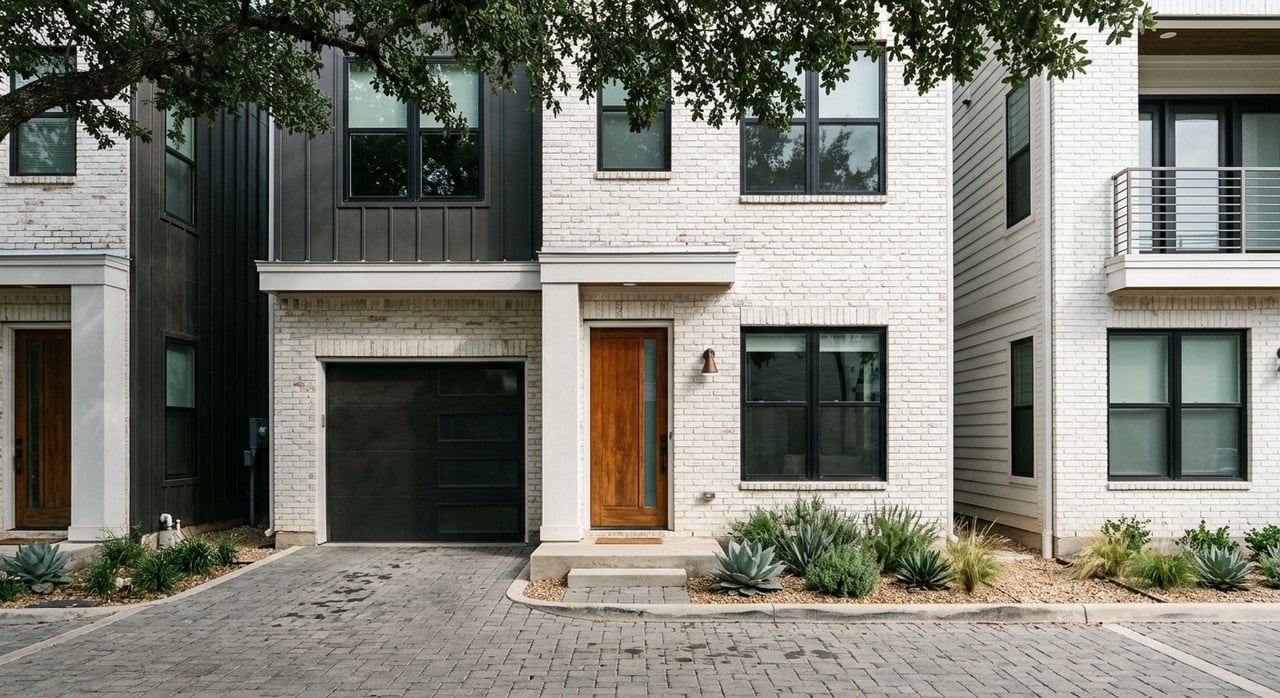
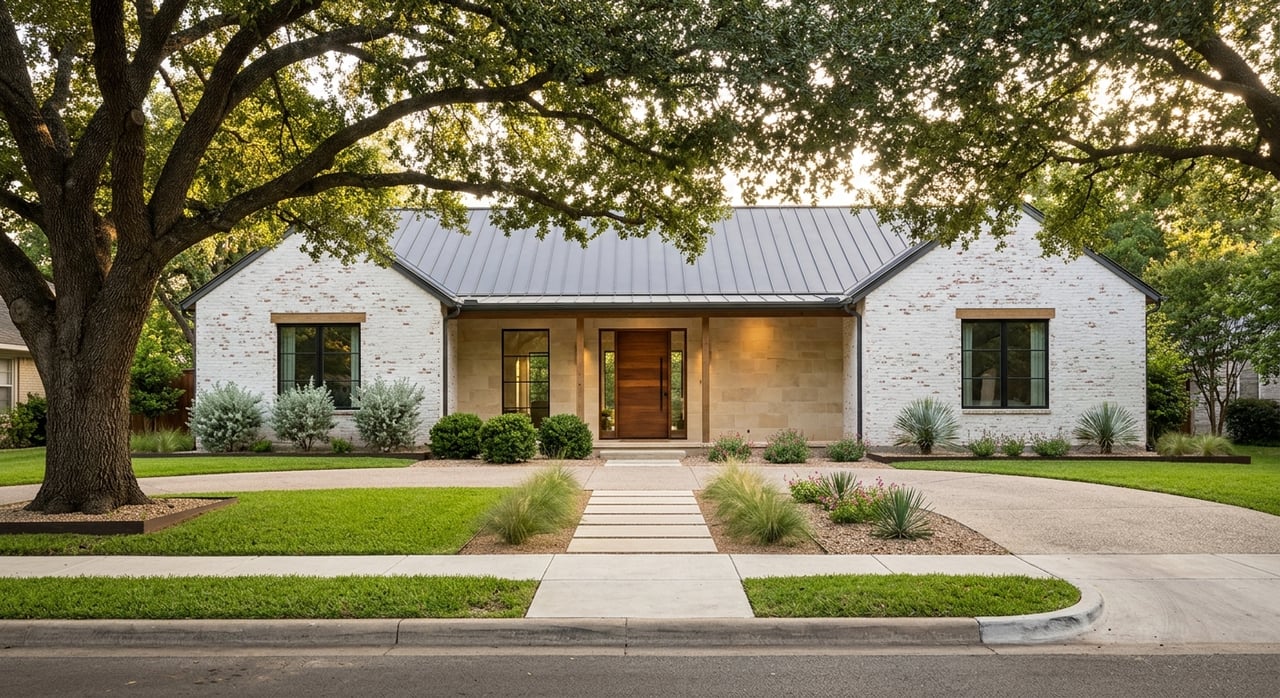
That history still shows up in the housing stock today. Many buyers notice that Barton Hills feels more individualized than newer planned communities, with a mix of original homes, remodeled properties, and newer infill.
Expect a mix of old and updated
NeighborhoodScout describes Barton Hills as a mix of single-family homes and smaller-to-medium apartment or condo stock. It also notes that many homes were built between 1970 and 1999, with a meaningful number dating from 1940 to 1969.
For you as a buyer, that often means more architectural variety. You may see postwar contemporary details like sloping roofs, clerestory windows, and stronger indoor-outdoor connections, alongside updated interiors or newer construction on select lots.
Why buyers keep Barton Hills on the shortlist
Barton Hills offers a combination that is hard to replicate. You have direct access to the Greenbelt, close proximity to Zilker and Barton Springs, and a strong connection to South Lamar’s restaurants, shops, and entertainment.
At the same time, the neighborhood has an established identity and a housing mix with real personality. For buyers who care about both lifestyle and location, that blend can be especially compelling.
Supply stays relatively tight
Current market snapshots also help explain the neighborhood’s staying power. Realtor.com reported a May 2026 median listing price of $1.4 million, with 64 homes for sale, 58 rentals, and a median of 61 days on market.
For broader perspective, Unlock MLS reported a Q1 2026 median home price of $415,300 across the Austin-Round Rock-San Marcos metro, with 5.5 months of inventory. Barton Hills sits in a much more premium tier, and NeighborhoodScout’s reported 0.6 percent vacancy rate points to a neighborhood where availability remains limited.
Is Barton Hills the right fit for you?
Barton Hills can be a strong fit if you want an established Austin neighborhood with easy access to trails, central-city amenities, and homes with more individuality than you often find in newer areas. It can also appeal if you want daily convenience without giving up a close connection to outdoor space.
Like any neighborhood, the right choice depends on your priorities. If your goal is to balance lifestyle, housing character, and location in South Austin, Barton Hills is worth a serious look.
If you are exploring Barton Hills or comparing it with other Central Austin neighborhoods, working with a local advisor can help you weigh the tradeoffs clearly and move with confidence. To talk through your goals, connect with The Agency Austin - Noa Levy.
FAQs
What is everyday life like in Barton Hills, Austin?
- Everyday life in Barton Hills often includes easy access to the Barton Creek Greenbelt, quick trips to South Lamar for dining or errands, and weekends shaped by nearby Zilker Park and Barton Springs Pool.
What outdoor amenities are near Barton Hills?
- Barton Hills is closely tied to the Barton Creek Greenbelt and sits near Zilker Metropolitan Park and Barton Springs Pool, giving residents access to trails, park space, and a spring-fed swimming area.
What kinds of homes are in Barton Hills?
- Barton Hills includes established single-family homes, remodeled mid-century and contemporary properties, and some condo or apartment inventory, with a mix of older homes and newer infill.
Why do buyers consider Barton Hills in Austin?
- Buyers often consider Barton Hills because it combines Greenbelt access, a central South Austin location, established neighborhood character, and relatively limited housing supply.
How expensive is Barton Hills compared with the broader Austin metro?
- Realtor.com reported a May 2026 median listing price of $1.4 million in Barton Hills, compared with Unlock MLS reporting a Q1 2026 median home price of $415,300 for the Austin-Round Rock-San Marcos metro.
What commercial areas serve Barton Hills residents?
- South Lamar Boulevard is the main nearby commercial corridor, with destinations such as Lamar Union Plaza, while Barton Creek Square serves as a major indoor shopping option for retail and errands.