By Noa Levy
Every seller I work with asks me some version of the same question early in our first conversation: how long is this actually going to take? It is a fair question, and the honest answer is that it depends on more than the calendar.
After nearly two decades selling homes across Austin, from the limestone bluffs of Westlake to the bungalow streets of Hyde Park, I have learned that your timeline comes down to a handful of factors you can actually influence. Right now, homes across the Austin area are taking an average of roughly 106 days from list date to closing table, with about 84 of those days spent actively on market and the remainder moving through the closing process.
That number shifts depending on the season, the neighborhood, the price point, and how well the home is prepared and presented before it hits the market. Let me walk you through what actually shapes that timeline so you can plan your sale with clarity instead of guesswork.
Key Takeaways
- Austin homes currently spend an average of about 84 days on market before going under contract, with spring historically the fastest stretch and January the slowest.
- Pricing strategy is the single biggest lever a seller controls, and it should be grounded in current comparable sales, not last year's numbers.
- Location shapes pace. Westlake, Tarrytown, and Clarksville move differently than Circle C Ranch, East Austin, or Lakeway.
- Presentation, from staging to curb appeal, directly affects how quickly buyers commit to an offer.
- A strong marketing plan with professional photography and targeted exposure shortens the timeline and strengthens your negotiating position.
Austin's Current Market Timeline
Timelines in Austin are not static, and I track them closely because they inform how I advise every seller. The current average of around 84 days on market reflects a more balanced market than the frenzy of a few years ago, which means preparation matters more than ever.
Why Timelines Shift Throughout The Year
- Spring months, particularly April, have historically moved the fastest, often closer to seven weeks on market.
- January tends to run the slowest, frequently stretching past 90 days.
- Summer brings steady activity as families and professionals relocating for tech and healthcare jobs settle before fall.
- Interest rate movement and inventory levels shift month to month, which is why I re-run the numbers before every listing appointment.
Pricing Strategy Sets The Pace
Nothing affects your timeline more than the number on the sign. I have seen beautifully renovated homes sit for months because the initial price ignored recent comparable sales, and I have seen well-priced homes in Northwest Hills or Barton Hills draw multiple offers in the first ten days. Pricing to the market as it stands today, not to what a neighbor's home sold for eighteen months ago, is the difference between a smooth sale and a frustrating one.
Signs Your Price Needs A Second Look
- Showings slow down noticeably after the first two weeks.
- Feedback from buyers' agents consistently mentions value, not the home itself.
- Comparable listings nearby have closed for less than your asking price.
- Your home has been on market longer than the current Austin average for its price range.
Location And Property Type Shape The Timeline
Austin is not one market, it is dozens of them layered together, and each one moves at its own pace. A Lake Austin waterfront estate sells on a different rhythm than a townhome near the Domain, and a classic Tarrytown home near Lady Bird Lake draws a different buyer pool than a new build in Circle C Ranch near the greenbelt trails.
Neighborhood Snapshots
- Westlake and Rollingwood attract buyers seeking privacy, mature tree canopy, and proximity to Lake Austin.
- Tarrytown and Clarksville draw buyers to walkable streets near Lady Bird Lake and Lake Austin's rowing clubs.
- East Austin continues to see strong demand for its mix of historic bungalows and modern infill construction near the growing restaurant and gallery scene.
- Circle C Ranch and Lakeway appeal to buyers wanting master-planned amenities, golf courses, and easy access to Lake Travis.
- South Congress, Bouldin Creek, Zilker, and Travis Heights remain sought after for their walkability to Zilker Park, Barton Springs, and the shops along South Congress Avenue.
Presentation And Condition Speak First
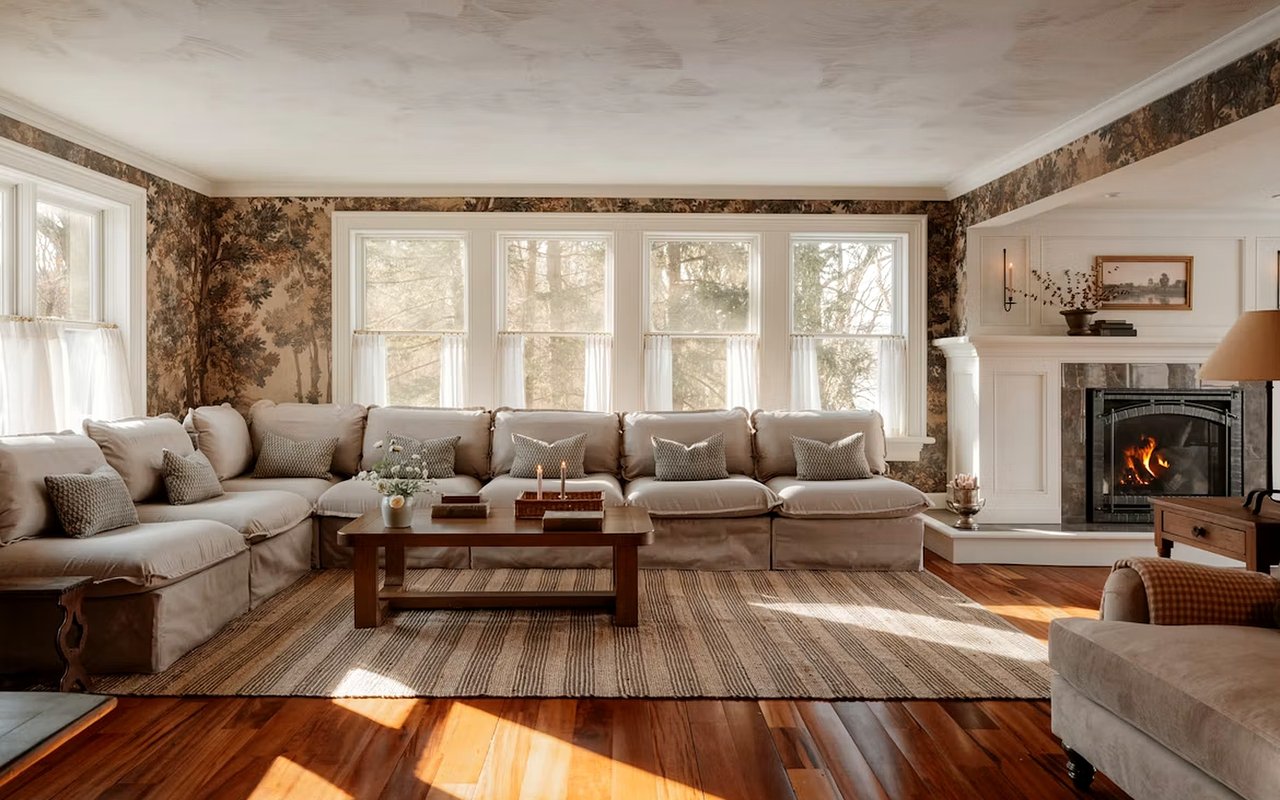
Before a buyer reads a single detail in the listing description, they are reacting to what they see in the photos and, later, in person. Homes that show well from the first click almost always move faster than homes that ask buyers to look past clutter or deferred maintenance.
What Buyers Notice First
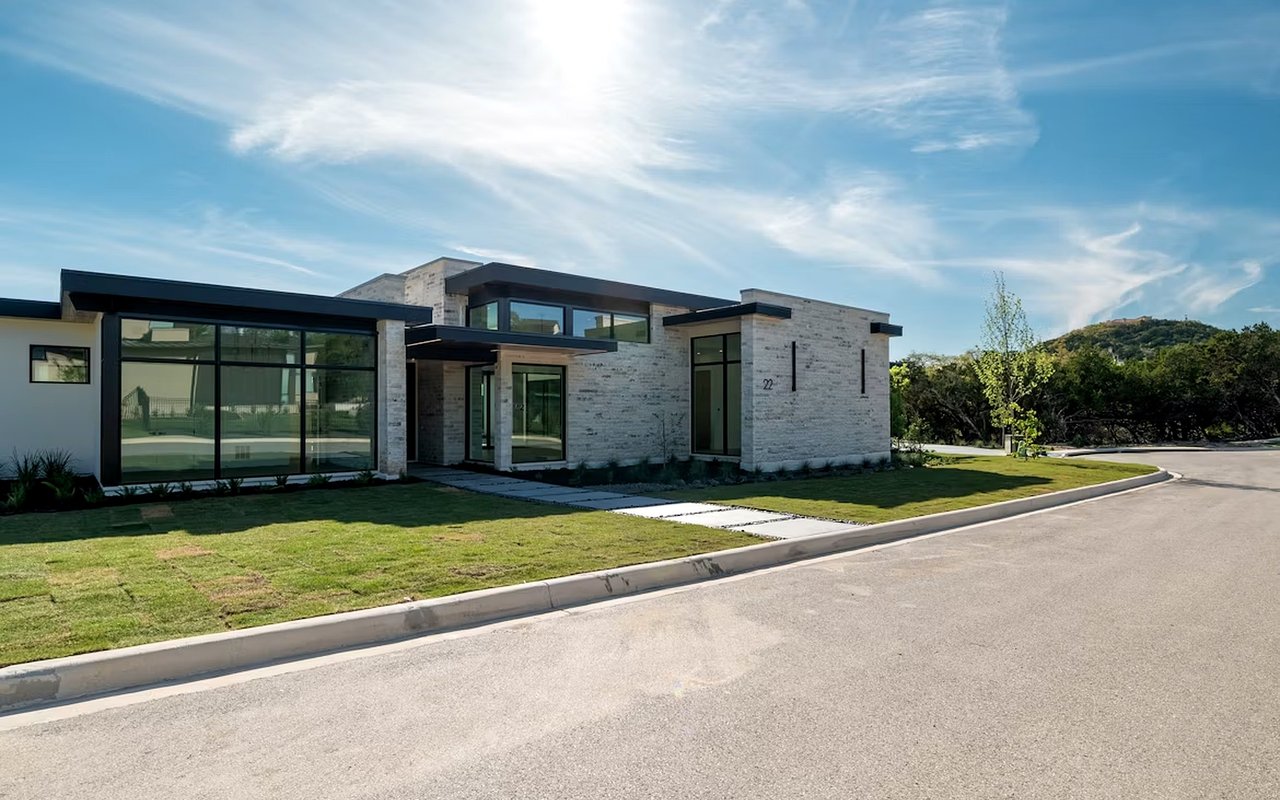
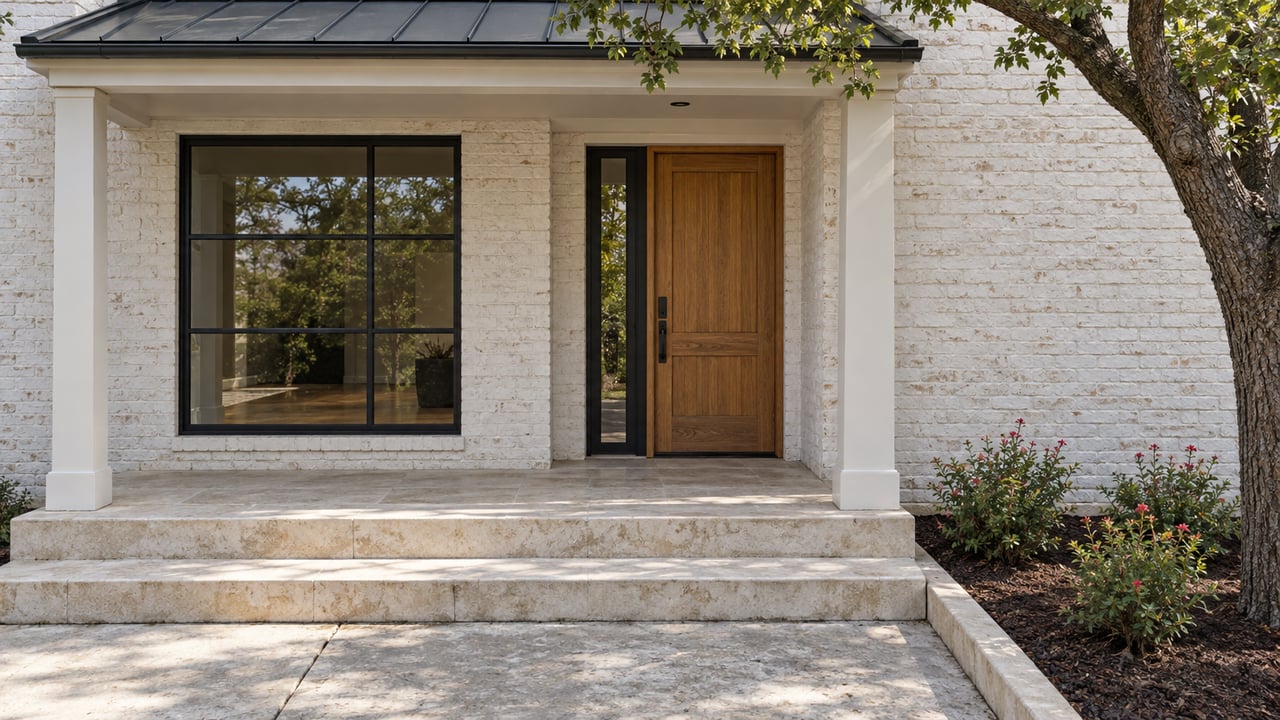
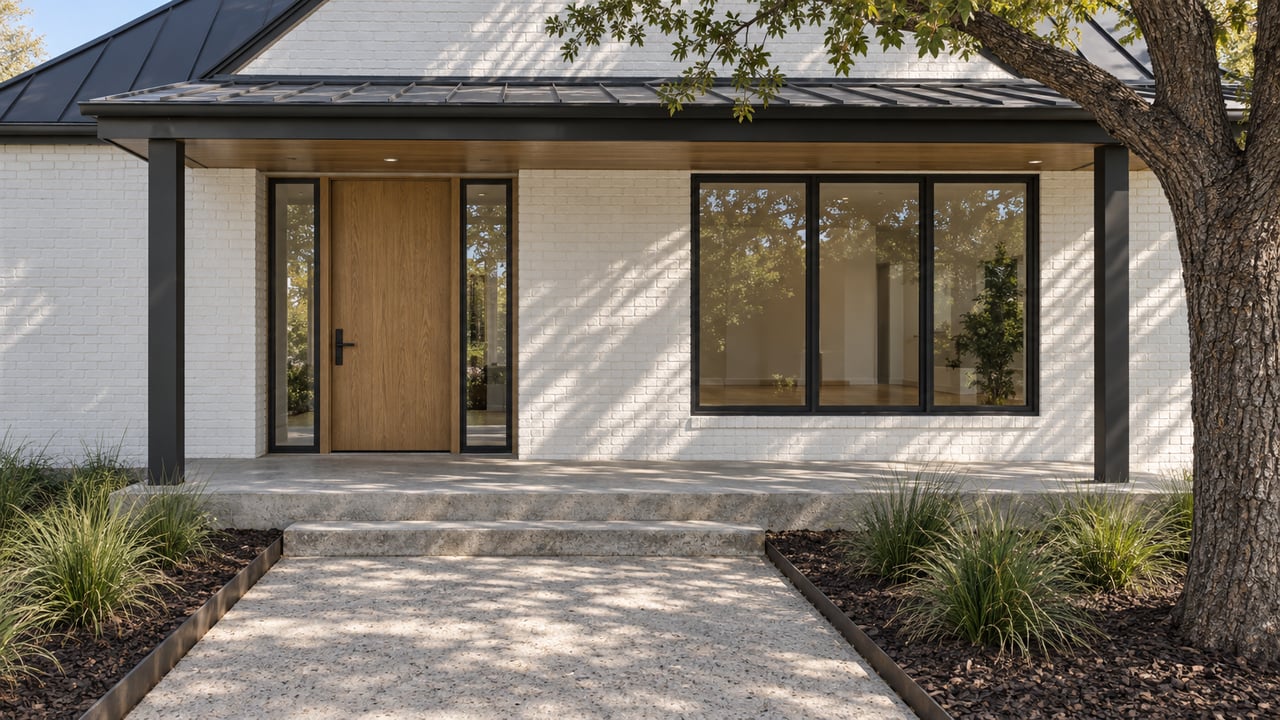
- Curb appeal, including landscaping, exterior paint, and a clean, inviting entry.
- Natural light and how open a floor plan feels in photographs.
- Kitchens and primary bathrooms, which remain the two spaces buyers scrutinize most.
- Evidence of maintenance, such as a recently serviced HVAC system or a well-kept roof.
Marketing And Exposure Extend Your Reach
A home that is priced right and shown beautifully still needs the right eyes on it. I build a marketing plan for every listing that includes professional photography, a compelling narrative about the home and its neighborhood, and targeted digital promotion designed to reach serious buyers quickly rather than let a listing linger.
How I Position Every Listing
- Professional photography and, when appropriate, video or drone footage that highlights the property and its setting.
- A written narrative that connects the home to its neighborhood, whether that is a Hill Country view or a walk to South Congress.
- Coordinated timing around open houses and broker previews to build momentum early.
- Direct outreach to my network of agents and past clients who may already be watching that specific pocket of Austin.
Frequently Asked Questions About Selling A Home In Austin
How long does it typically take to sell a home in Austin right now?
On average, homes in the Austin area are spending about 84 days on market before going under contract, with the full process from listing to closing running closer to 106 days.
What time of year sells fastest in Austin?
Spring, especially April, has historically been the fastest stretch, while January tends to be the slowest month for time on market.
Does the neighborhood really affect how quickly a home sells?
Yes. Demand, buyer preferences, and price points vary widely across Austin, so a home in Tarrytown or Westlake will not necessarily move on the same timeline as one in Circle C Ranch or East Austin.
What is the single biggest thing I can do to sell faster?
Price the home accurately from day one based on current comparable sales. Overpricing, even slightly, is the most common reason a home sits longer than it should.
Should I price aggressively and negotiate down, or price to sell quickly?
I generally advise pricing to reflect true current market value. A price that is grounded in real data attracts serious buyers immediately and often leads to a stronger, faster outcome than an inflated number that requires repeated reductions.
Ready To Talk Through Your Austin Home Sale Timeline?
Every home and every Austin neighborhood tells a different story when it comes to timing, and I would rather give you a clear, honest answer than a generic one. If you are weighing when to list or want a real read on how your specific home and neighborhood fit into today's market, I would welcome the chance to talk it through with you.