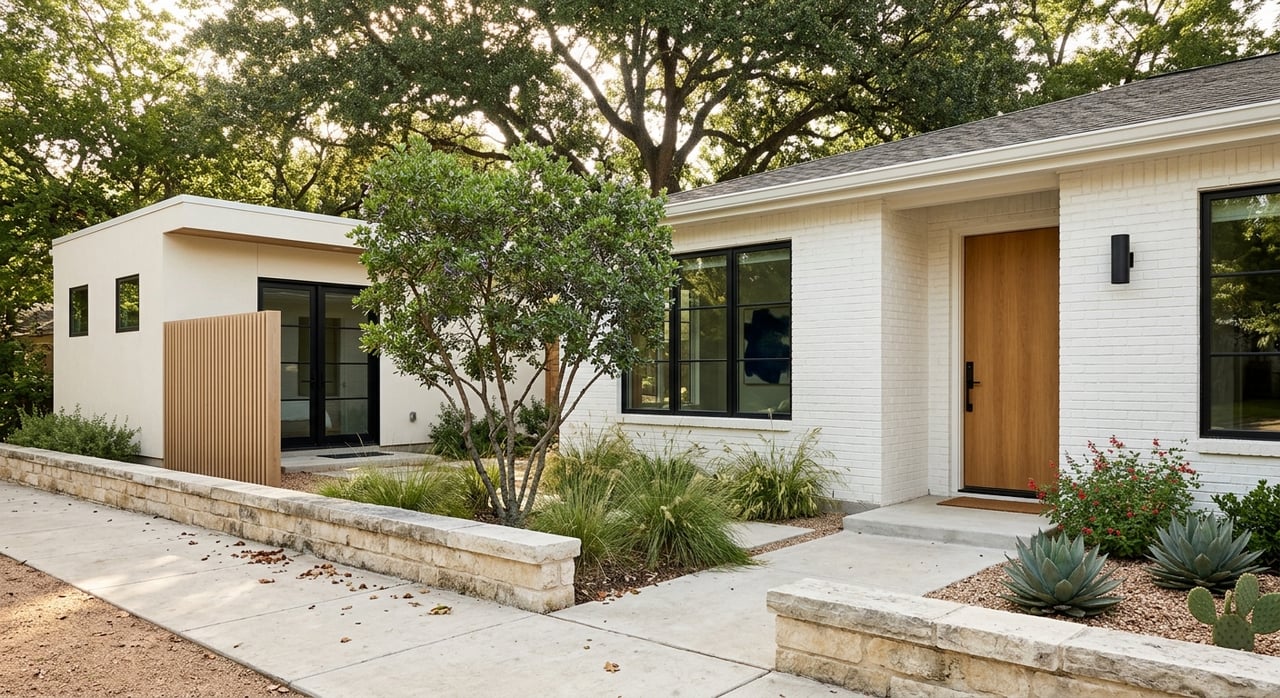
If you picture East Austin as just a nightlife district, you are missing the part that makes people want to live there. Central East Austin feels more like a daily circuit where breakfast spots, cultural landmarks, artist studios, trails, and transit-linked housing all connect in a way that supports real life. If you are exploring the area for a move, a future sale, or simply a better feel for the neighborhood, this guide will help you understand how the creative corridor shows up day to day. Let’s dive in.
Central East Austin feels layered
Central East Austin is best understood as a collection of connected corridors, not a single strip. The City of Austin describes District 1 as an area with established neighborhoods, historic corridors, open parkland, and rapidly growing communities, shaped by long-time residents, new families, entrepreneurs, artists, and students.
That matters when you are trying to picture daily life. Instead of one dominant identity, you get a mix of cultural districts, neighborhood streets, creative spaces, and practical amenities that create a more lived-in rhythm.
Key corridors shape daily life
Several east-side streets and districts help explain how the area works. East Cesar Chavez, East 12th Street, the 5th Street Mexican American Heritage Corridor, and the Govalle Cultural District along Springdale Road each add a different layer to the experience.
East Cesar Chavez is one of Austin’s oldest districts, and the city notes that it continues to evolve through beautification efforts like public art, gateways, and pocket parks. East 12th Street is part of the African American Cultural Heritage District and includes religious institutions, retail, restaurants, convenience services, and other everyday businesses.
The 5th Street Mexican American Heritage Corridor adds another cultural thread through institutions, eateries, and shops. Farther east, Springdale Road stands out because Govalle’s cultural district designation has helped define it as part of a growing creative cluster.
A typical day in Central East Austin
One of the easiest ways to understand the neighborhood is to imagine a normal Saturday. You start with breakfast, move into errands or creative time, fit in a walk or ride, and still have options for coffee, dinner, or live music without covering much ground.
That mix is what gives Central East Austin its staying power. It is not just somewhere to visit for a few hours. It is a place where different parts of your day can happen close together.
Morning starts with legacy spots
Joe’s Bakery on East 7th Street is one of the clearest examples of neighborhood continuity. The business says it has served the Austin community for more than 75 years, with breakfast served all day from 6 a.m. to 2 p.m.
That kind of long-running local presence helps define the tone of Central East Austin. It gives the area a sense of routine and familiarity that balances all the visible growth around it.
Midday brings food and movement
Veracruz All Natural is part of the east side’s newer food story, with roots that trace back to a tiny trailer on East Cesar Chavez in 2008. Today, it has multiple locations including Webberville Road and East Cesar Chavez, with hours that stretch from early morning into the evening.
For many residents, that kind of flexibility matters more than trendiness. It supports a neighborhood where coffee runs, casual lunches, and quick pickups fit naturally into your schedule.
Evenings feel social but not one-note
East 6th Street adds another layer through places like Lazarus Brewing, which describes a scratch kitchen, coffee program, and wine bar. Its event calendar also includes recurring live jazz programming on East 6th.
That creates an evening rhythm that is broader than bar-hopping. You can picture people meeting for coffee, dinner, or music in the same general area where they may also spend time during the day.
Art is built into the neighborhood
Central East Austin’s creative identity is not just branding. It is tied to real places where artists work, exhibit, and gather.
That distinction is important if you are looking for a neighborhood with authentic cultural infrastructure. In Central East Austin, the creative energy is supported by studios, galleries, and public-facing spaces, not just murals and marketing.
Canopy anchors Springdale Road
Canopy at 916 Springdale Road is one of the strongest creative anchors in the area. The property describes itself as a community of artists, gallerists, and other creatives inside a former Goodwill warehouse that now includes 89 studios, three galleries, creative offices, and a café and coffee shop.
It also hosts monthly open studios on the first Saturday of the month. For residents, that means the arts are not tucked away from everyday life. They are part of the neighborhood calendar.
East 11th preserves cultural history
The African American Cultural and Heritage Facility on East 11th adds another important layer. It includes the restored Dedrick-Hamilton House, built around 1880, and now serves as an African American Visitors Center and Art Studio with arts, business, cultural, and entertainment programming.
Places like this help explain why Central East Austin feels deeper than a fast-changing urban district. The neighborhood’s present-day energy is closely tied to visible cultural history and active community programming.
Trails and parks support everyday routines
One of the most practical parts of life in Central East Austin is access to trails and green space. Official Austin Parks listings include Boggy Creek Greenbelt Trail, East Boggy Creek Greenbelt Trail, Little Walnut Creek Greenbelt on Springdale Road, and Waller Creek Greenbelt Trail at 500 E. 12th.
That network supports a lifestyle where exercise, errands, and downtime can overlap. If you value the ability to step outside for a walk, bike ride, or change of pace without planning a full outing, this is a meaningful advantage.
Plaza Saltillo changes the pace
Plaza Saltillo is one of the clearest examples of how Central East Austin supports a more transit-linked lifestyle. Austin Planning defines transit-oriented development as compact, walkable, mixed-use communities within walking distance of transit, and CapMetro says Plaza Saltillo opened in 2019 as its first Red Line TOD on an 11-acre former rail yard.
CapMetro’s 2026 guidebook says the district includes 800 residential units, 134 affordable units, 110,000 square feet of retail, 140,000 square feet of office space, and 1.4 acres of open space and public art. For buyers or renters who want a more car-light routine, that combination makes the area easier to picture.
Housing options match different lifestyles
The housing story in Central East Austin is broad, which is one reason the area appeals to many kinds of buyers and residents. City materials show an area experiencing rapid growth and transformation, while historic surveys document residential buildings dating from the 1870s through the 1950s, including cottages and bungalows.
At the same time, the Central East Austin Neighborhood Plan supports a range of housing forms. These include secondary or garage apartments on single-family lots, small-lot urban homes, retention of existing multi-family housing, new multi-family development on mapped sites, and mixed-use development along commercial corridors.
Older homes offer neighborhood texture
If you are drawn to established streets and older housing stock, Central East Austin offers that character in a meaningful way. Historic residential forms and long-standing blocks can appeal to buyers who want a home with visible context and architectural variety.
That does not mean every block feels the same. It means the area has depth, and that depth often shows up in the housing.
Infill and mixed-use add flexibility
If your priorities are different, the area also supports smaller infill homes, accessory units, condos, and apartments near commercial corridors and transit-connected zones. That can work well for people who want lower maintenance, easier access to dining and services, or more flexibility in how they use space.
This housing mix is one of Central East Austin’s biggest strengths. It creates options for people who want very different versions of city living while staying in the same general part of Austin.
What buyers and sellers should notice
For buyers, Central East Austin is worth studying block by block. The area’s appeal often comes from how close you are to a specific corridor, trail, cultural anchor, or transit node, not just from the zip code or broad neighborhood label.
For sellers, that same nuance can shape positioning. A home near Springdale’s creative hub, East 11th cultural landmarks, Plaza Saltillo, or one of the greenbelt trails may speak to different lifestyle priorities, and those details help tell the story clearly.
Why the creative corridor matters
The phrase “creative corridor” fits Central East Austin because the area connects culture, commerce, mobility, and housing in a way that feels practical. You are not choosing between character and convenience as often as you might expect. In many parts of the neighborhood, you can have both.
That balance is also why the area continues to draw attention as it changes. The strongest version of Central East Austin is not about one hot spot. It is about a daily life pattern that includes breakfast, studio time, trail access, local services, and a range of housing choices in one connected part of the city.
If you are thinking about buying, selling, relocating, or investing in East Austin, neighborhood detail matters. Working with a local advisor who understands how each corridor lives day to day can help you make a smarter move. To start the conversation, connect with The Agency Austin - Noa Levy.
FAQs
What is Central East Austin known for in daily life?
- Central East Austin is known for a mix of cultural districts, family-owned businesses, artist studios, trail access, and transit-connected development rather than a single entertainment strip.
What streets define Central East Austin’s creative corridor?
- Key corridors include East Cesar Chavez, East 12th Street, East 7th Street, East 6th Street, East 11th Street, and Springdale Road.
What arts spaces stand out in Central East Austin?
- Canopy on Springdale Road and the African American Cultural and Heritage Facility on East 11th are two major creative and cultural anchors in the area.
What outdoor options support life in Central East Austin?
- Official city listings show access to Boggy Creek Greenbelt Trail, East Boggy Creek Greenbelt Trail, Little Walnut Creek Greenbelt, and Waller Creek Greenbelt Trail.
What housing types are common in Central East Austin?
- The area includes older detached homes, historic cottages and bungalows, accessory units, small-lot infill homes, multi-family housing, and transit-oriented condos or apartments.
Is Central East Austin still changing?
- Yes. City planning materials and survey updates describe the area as undergoing rapid growth and transformation while documenting places with historic and cultural significance.