By Noa Levy
Whether you've been eyeing Austin for years or just started your search, the sheer variety of homes and price points can make the process feel like standing at the center of a wheel with too many spokes. The good news: buying a home here becomes a lot less overwhelming once you know what to prioritize and why.
The Austin housing market moves fast. High-demand homes can receive multiple offers within days, and what looks like a great deal on Monday might be under contract by Wednesday. Going into your search with a clear sense of what matters to you — and what you're willing to compromise on — is the difference between landing the right home and making a misstep. This guide is for buyers who want to approach Austin real estate the smart way.
Key Takeaways
-
Lot orientation and utility infrastructure are often overlooked but are critical factors in evaluating Austin properties.
-
The age and condition of a home's systems — particularly HVAC, plumbing, and foundation — carry outsized importance in Central Texas's climate.
-
Working with an agent who knows Austin's hyperlocal market dynamics can save you time, effort, and money.
Determine Your Goals and Priorities Before You Search
The Austin real estate market rewards buyers who know what they want to achieve. With inventory moving quickly and the gap between different neighborhoods, price points, and property types as wide as it is here, walking into your search without a clear set of priorities is one of the most common mistakes buyers make.
Taking the time to define what matters most to you before you start touring homes will sharpen your decisions and help you avoid getting swept up in a property that looks right on the surface but does not actually fit your life.
Start with the basics: how long do you plan to stay? A two-to-three-year horizon calls for a very different buying strategy than a ten-year plan. Short-term buyers should prioritize resale-friendly characteristics like location, lot size, and floor plan versatility. Long-term buyers have more room to compromise on cosmetic factors and might take on properties that need updating over time. Neither approach is wrong, but conflating the two leads to regret.
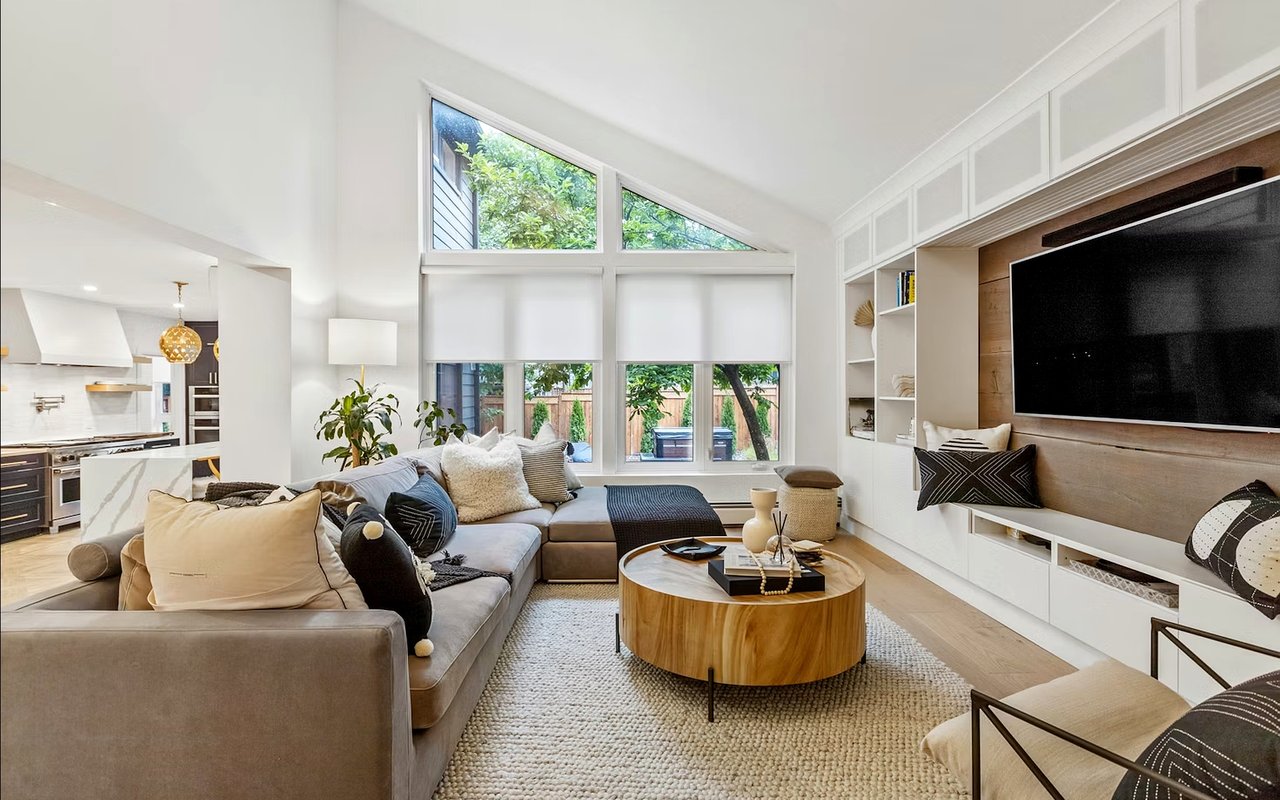
Think through how you actually live. If you work from home, dedicated office space and reliable high-speed internet infrastructure might matter more than a formal dining room. If you entertain frequently, indoor-outdoor flow and kitchen layout carry more weight.
Taking the time to define what matters most to you before you start touring homes will sharpen your decisions and help you avoid getting swept up in a property that looks right on the surface but does not actually fit your life.
Start with the basics: how long do you plan to stay? A two-to-three-year horizon calls for a very different buying strategy than a ten-year plan. Short-term buyers should prioritize resale-friendly characteristics like location, lot size, and floor plan versatility. Long-term buyers have more room to compromise on cosmetic factors and might take on properties that need updating over time. Neither approach is wrong, but conflating the two leads to regret.
Think through how you actually live. If you work from home, dedicated office space and reliable high-speed internet infrastructure might matter more than a formal dining room. If you entertain frequently, indoor-outdoor flow and kitchen layout carry more weight.
Questions To Ask Yourself Before Touring Homes
-
How many bedrooms and bathrooms do you need?
-
Is a one-story floor plan a preference?
-
How much deferred maintenance or renovation are you willing to take on, and do you have the budget and bandwidth to execute it?
Evaluate the Lot, Not Just the Home
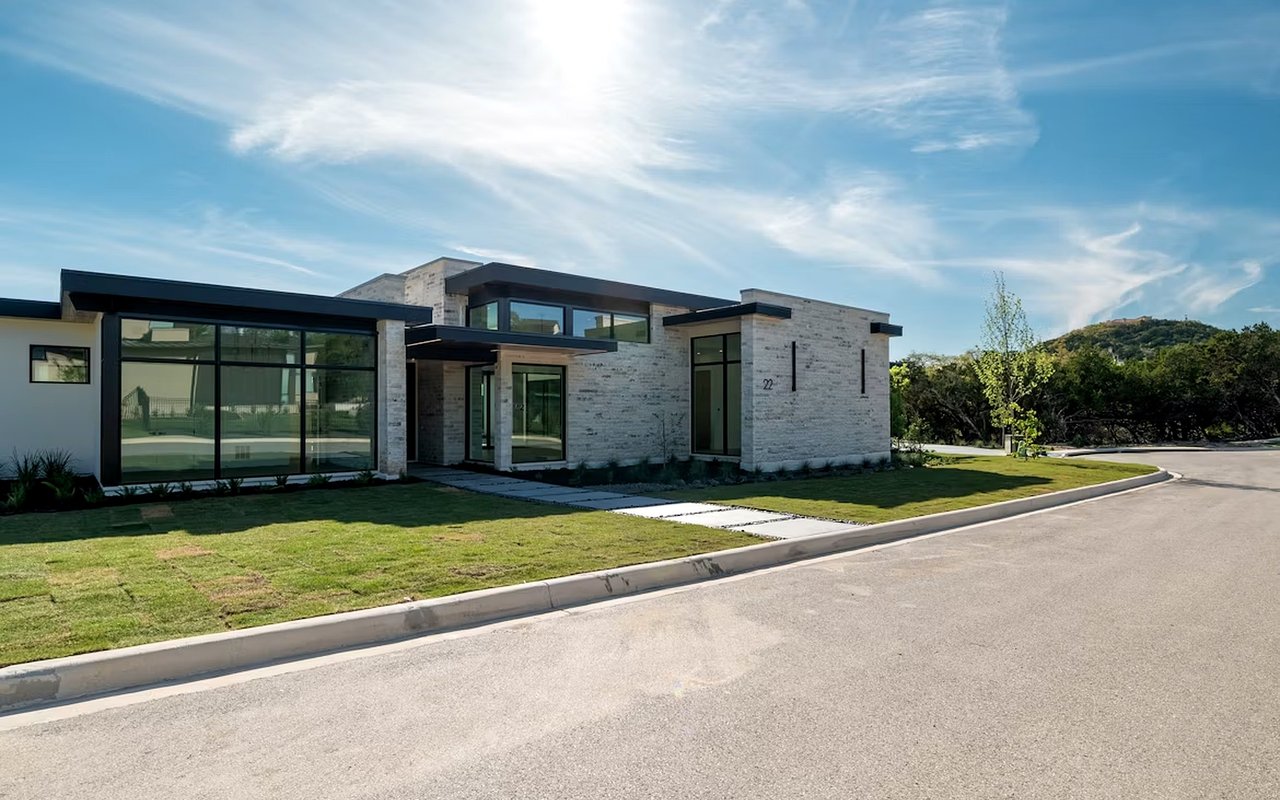
In Austin, the lot itself carries enormous weight. The city's topography is dramatic and varied: some areas sit on limestone bedrock, others on expansive clay soil that shifts and cracks with the seasons. All of this makes the land beneath the home nearly as important as the structure on top of it.
Austin's creek system is beautiful, but waterfront adjacency comes with some risk during heavy rain events. Properties in flood plains may require flood insurance, which adds a meaningful cost to monthly ownership.
Lot orientation in Central Texas affects how hard your HVAC system works. A home with large west-facing windows or a west-facing rear yard will absorb more afternoon heat during the summer months. South-facing lots with proper overhangs are generally more energy-efficient. This sounds like a minor detail until you're looking at your July electric bill.
Austin's creek system is beautiful, but waterfront adjacency comes with some risk during heavy rain events. Properties in flood plains may require flood insurance, which adds a meaningful cost to monthly ownership.
Lot orientation in Central Texas affects how hard your HVAC system works. A home with large west-facing windows or a west-facing rear yard will absorb more afternoon heat during the summer months. South-facing lots with proper overhangs are generally more energy-efficient. This sounds like a minor detail until you're looking at your July electric bill.
What To Assess on the Lot
-
Tree coverage and the health of heritage oaks; Austin has strict tree ordinances that restrict the removal of protected trees, which can affect renovation plans.
-
Grade and drainage; even a gentle slope toward the home's foundation can create moisture problems over time.
-
Utility easements and setback requirements, which affect what you can build, add, or expand on the property in the future.
-
Proximity to high-voltage power lines or major arterials, which can affect both quality of life and appraised value.
-
The condition of any existing fencing, retaining walls, or landscaping features, which the home inspection will not always fully address.
Scrutinize the Home's Systems and Structure
Austin's climate is hard on homes. Hot, dry summers are followed by dramatic temperature swings in winter, and the soil conditions in much of Central Texas can sometimes be unkind to foundations. Knowing what to look for inside the home itself can keep you from inheriting a long and expensive repair list.
Foundation condition is the single most consequential structural factor in this market. Pier-and-beam foundations, common in older Central Austin homes, are generally more forgiving than slab-on-grade, which is prevalent in newer construction. Have a licensed structural engineer conduct an independent assessment, in addition to a general home inspector.
Check the age and service history of the HVAC system, and factor the replacement cost into your offer calculation if it's past the ten-year mark. Plumbing in older homes may include galvanized steel or early PVC that is approaching the end of its lifespan.
Foundation condition is the single most consequential structural factor in this market. Pier-and-beam foundations, common in older Central Austin homes, are generally more forgiving than slab-on-grade, which is prevalent in newer construction. Have a licensed structural engineer conduct an independent assessment, in addition to a general home inspector.
Check the age and service history of the HVAC system, and factor the replacement cost into your offer calculation if it's past the ten-year mark. Plumbing in older homes may include galvanized steel or early PVC that is approaching the end of its lifespan.
System Conditions To Inspect Closely
-
Age and SEER rating of the HVAC equipment; older, low-efficiency units will spike utility costs significantly in summer.
-
Water heater age and capacity; Austin's hard water is tough on tanks and can reduce lifespan considerably.
-
Roof material and age.
-
Insulation quality in the attic, which plays a major role in energy efficiency.
-
Any evidence of prior foundation repair, including warranty transferability.
FAQs
What Should I Know About My Own Priorities Before I Start Touring Homes?
Before you walk through a single property, it helps to separate your needs from your preferences. Needs are the non-negotiables: number of bedrooms, proximity to work, a one-story layout, and a yard large enough for a dog. Preferences are the things you want but could live without. When you tour with that list clearly in mind, you stop spending time on homes that look appealing online but cannot actually work for your life.
What Should I Pay Attention to When Touring a Home?
Beyond the obvious visual appeal, focus on what the listing photos cannot show you. Notice how light moves through the space at the time of day you're touring. Check whether the flow between rooms works for the way you use a home. Open the cabinet doors, test the faucets, and envision your furniture within the space.
Your Austin Home Search Starts With the Right Foundation
Finding the right home in Austin is an exciting time, but the details matter. The buyers who do best in this market are the ones who are expertly informed, stay flexible on the factors that can be changed, and stay firm on the things that cannot. \
I know this market at the hyper-local level, and I am here to guide you through every step of the process, from your first tour to the moment you get the keys. Reach out to me, Noa Levy, when you're ready to start your real estate search in Austin, TX.
I know this market at the hyper-local level, and I am here to guide you through every step of the process, from your first tour to the moment you get the keys. Reach out to me, Noa Levy, when you're ready to start your real estate search in Austin, TX.