By Noa Levy
Austin is one of those cities that people visit once and start looking at real estate before they leave. It has a combination of qualities that is genuinely difficult to find elsewhere: a strong economy, an active outdoor culture, a music and arts scene that operates at a national level, and a personality that has stayed intact through decades of rapid growth. I work with buyers in this market every day, and the reasons they choose Austin are as consistent as the city itself. Here is what makes Austin, TX, one of the most beloved cities in the country.
Key Takeaways
-
Discover how Austin's outdoor spaces, from Lady Bird Lake to the Barton Creek Greenbelt, shape daily life for residents across the city.
-
Learn what the Austin music and festival calendar offers year-round, including ACL Fest, SXSW, and Blues on the Green.
-
Find out how Austin's economy and tech sector have positioned the city as one of the top growth markets in the country.
-
Understand how Austin's food scene, arts infrastructure, and cultural identity contribute to a quality of life that keeps residents here for the long term.
The Outdoor Culture
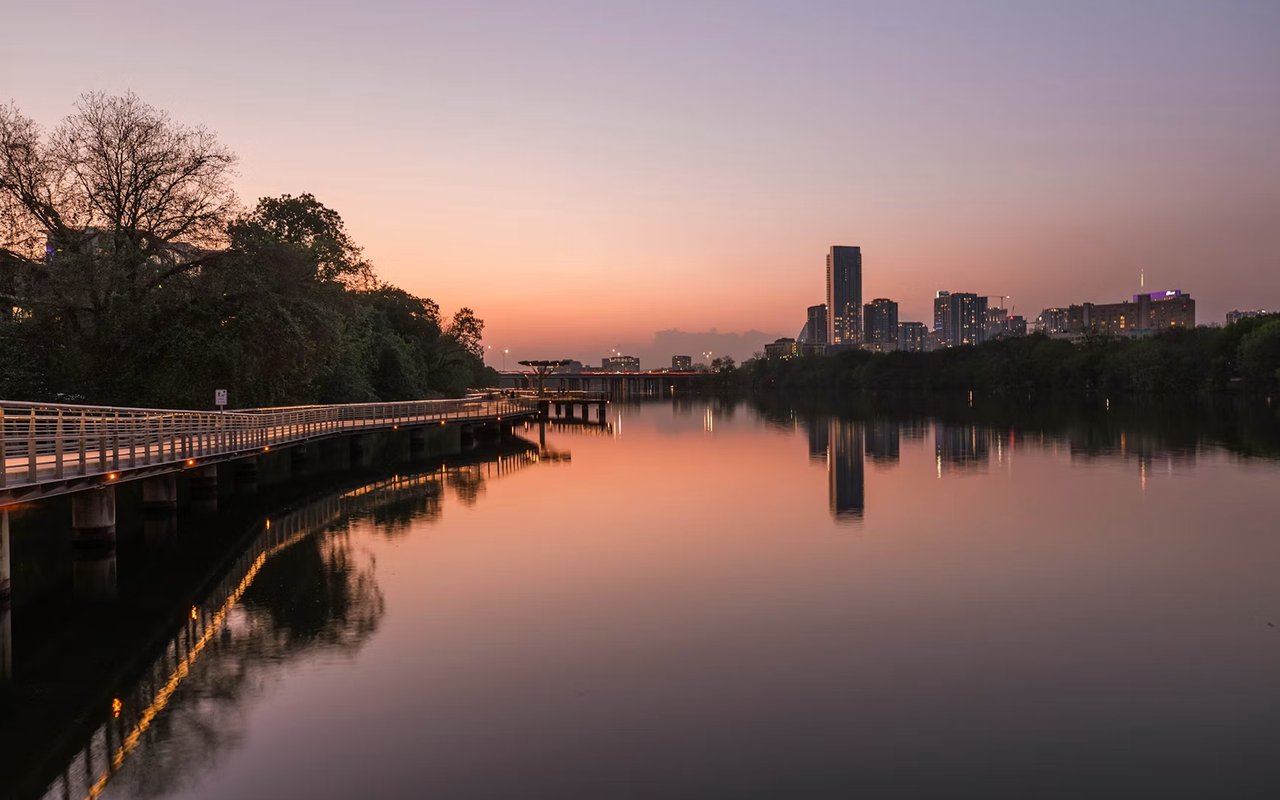
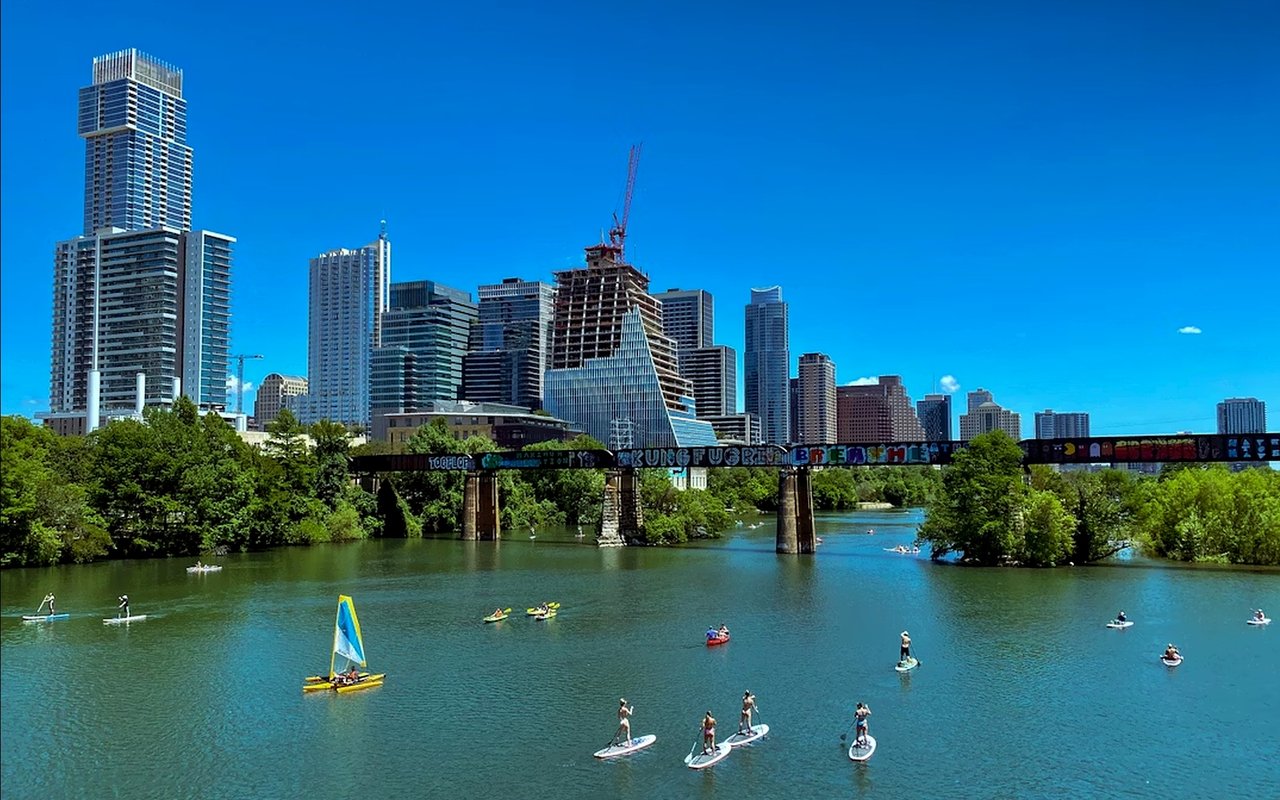
Austin is built around water and green space—a feature most Texas cities cannot replicate. Lady Bird Lake runs through the heart of the city, and the Ann and Roy Butler Hike and Bike Trail circles its entire perimeter. On any given morning, that trail is full of runners, cyclists, and kayakers. It is not a weekend amenity but a part of how residents start their days.
The Outdoor Spaces That Define Austin Living
-
Barton Springs Pool, a natural spring-fed swimming hole in Zilker Park, stays at a constant 68 degrees year-round, making it an anchor of Austin outdoor life from January through December.
-
The Barton Creek Greenbelt offers miles of hiking and swimming access through limestone canyons just minutes from downtown, giving residents a genuine wilderness experience without leaving the city.
-
Lake Travis, a short drive from the city, spans over 60 miles and serves as the primary destination for boating, paddleboarding, fishing, and lakeside dining for Austin residents who want a full day on the water.
-
Zilker Park's 351 acres host everything from morning yoga classes and kite flying to the Austin City Limits Music Festival each October, functioning as the city's communal front yard in a way few urban parks achieve.
Austin also sits at the edge of the Texas Hill Country, and residents who want to extend their outdoor range have access to rolling terrain, cypress-lined rivers, and scenic cycling routes that begin within 20 minutes of downtown.
The Music and Festival Scene
Austin has held the title of Live Music Capital of the World for decades, and it is not a marketing claim. The city has more live music venues per capita than anywhere else in the country, and the programming runs seven nights a week across a range of genres and settings.
What the Austin Calendar Offers Year-Round
-
South by Southwest, held each March, draws hundreds of thousands of attendees from around the world for ten days of music, film, and technology programming that makes Austin the center of the global creative industry conversation for that stretch every spring.
-
Austin City Limits Music Festival takes over Zilker Park for two consecutive weekends each October, bringing a lineup that consistently ranks among the strongest of any festival in North America.
-
Blues on the Green is a free outdoor concert series held at Zilker Park through the summer months, drawing crowds of residents who bring blankets, food, and dogs for evenings on the lawn.
-
Sixth Street and Rainey Street provide live music seven nights a week across dozens of venues, ranging from historic honky-tonks to cocktail bars with local bands, giving residents a music scene that does not require a festival ticket or advance planning.
The music culture in Austin is not performative. Residents who care about live music find themselves consuming far more of it than they did anywhere else they have lived.
The Economy
Austin has consistently ranked among the top cities in the country for economic growth, and the reasons are structural rather than cyclical. The city's tech sector draws major employers including Apple, Tesla, Dell, and Oracle, alongside a deep ecosystem of startups, venture capital, and creative industry employment that has made Austin one of the most economically diverse large cities in the South.
What the Austin Economy Means for Residents
-
Texas has no state income tax, which affects the calculation for professionals relocating from California, New York, Illinois, and other high-tax states in a way that compounds over time.
-
The University of Texas at Austin is one of the largest public universities in the country and functions as both an economic engine and a cultural institution, supplying the city with talent, research activity, and the energy that a major campus brings to its surroundings.
-
The creative economy, including music, film, and the arts, contributes meaningfully to Austin's GDP alongside the technology sector, giving the city an economic breadth that markets built around a single industry do not have.
-
Austin's growth trajectory has remained strong enough that it topped national economic boomtown rankings in 2025, driven by job creation across technology, manufacturing, and professional services.
The economic foundation beneath Austin's lifestyle appeal is one of the reasons buyers who move here tend to stay, and one of the reasons the real estate market has held its value through broader national market cycles.
The Food Scene
Austin's restaurant and food culture has matured into something that competes with the country's most recognized food cities. The combination of Texas barbecue tradition, a deeply rooted taco culture, and a generation of chefs who have chosen Austin over coastal markets has produced a food scene with genuine range and consistency.
What Austin's Food Culture Looks Like in Practice
-
Texas barbecue in Austin operates at a level of quality and variety that draws visitors specifically, with institutions that have national reputations and lines to match.
-
The breakfast taco is not a trend in Austin. It is a daily ritual, and the options available across the city on any given morning are extensive enough that residents develop strong opinions and loyalties quickly.
-
The Rainey Street and South Congress corridors have developed into dense dining destinations with independent restaurants, wine bars, and cocktail programs that reflect the city's personality without the homogeneity of a planned dining district.
-
The Austin Farmers Market operates year-round at Republic Square, supplying residents and chefs alike with local produce, proteins, and prepared foods from Texas growers and producers.
The food culture in Austin reinforces the broader quality of life in a way that residents notice and guests comment on consistently.
Frequently Asked Questions
Is Austin a good city for people who love the outdoors?
Austin is one of the best cities in the American South for outdoor enthusiasts. The combination of Lady Bird Lake, Barton Springs, the Greenbelt, and proximity to the Hill Country and Lake Travis gives residents year-round outdoor access across a wide range of activities. The climate makes outdoor living practical for most of the year, and the city's infrastructure, including extensive trail networks and public parks, reflects how central outdoor life is to Austin's identity.
How has Austin's growth affected its character?
Austin has grown significantly over the past two decades, and that growth has brought both new energy and real challenges around affordability and infrastructure. What has remained consistent is the music culture, the outdoor orientation, the food scene, and the economic momentum that draws new residents. The city's character has evolved rather than disappeared, and the investments it has made in arts infrastructure, public space, and cultural programming reflect a genuine commitment to preserving what makes it worth choosing.
What type of buyer is typically drawn to Austin real estate?
Austin attracts a wide range of buyers, from young professionals entering the tech workforce to families relocating from coastal markets and retirees drawn by the climate, the culture, and Texas's tax environment. The common thread is a preference for a city with an active outdoor culture, a strong economy, and a personality that rewards engagement. Buyers who get the most out of Austin are typically those who dive into what the city offers rather than treating it as a backdrop for a suburban lifestyle.
Reach Out to Noa Levy Today
For those considering Austin as their home base, it’s important to work with a real estate professional who understands the city’s market segments, boasts a deep-rooted knowledge about local neighborhoods, and is willing to go above and beyond to ensure their client reaches their real estate goals.
Ready to explore homes for sale in Austin? Reach out to me, Noa Levy, and I’d be happy to help you discover your ideal property in this sought-after city.
Ready to explore homes for sale in Austin? Reach out to me, Noa Levy, and I’d be happy to help you discover your ideal property in this sought-after city.